
Your Photos Are Quoting for You
A customer looks at a photo of your work for about a second before deciding whether to call. In that second they're deciding two things: whether you're any good, and what you'll charge.
If the photo's cluttered and out of focus (rough as guts), they assume the fit-off is too.
If the photo looks like a magazine shoot, they assume they can't afford you. That's what everyone misses. A local trade that photographs like a luxury developer reads as a luxury developer's prices, and the enquiry goes to the sparky down the road whose photos look like a local sparky.
So this isn't about looking flash. It's about jobs you win or lose before the phone rings.
Most people think there are two settings. Rough phone photo, or professional. So when they hear too-fancy hurts them, they hear permission to stay rough.
There are three. Poor, quality, and luxury. The distance from poor to quality is much further than it looks, and nearly everyone shooting their own work is sitting in poor while they think they're in quality.
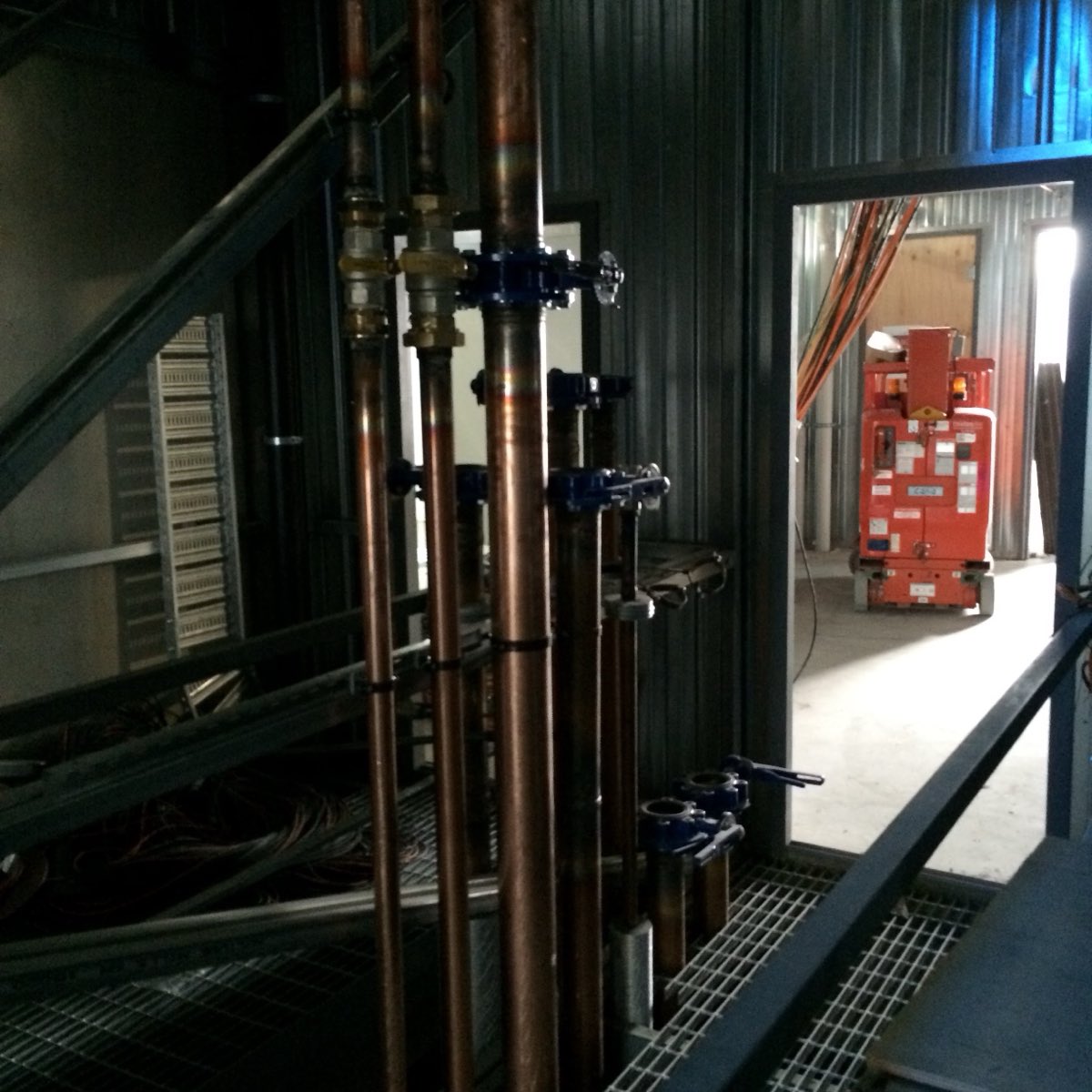
Poor. The work here is fine. The photo isn't. The camera set its brightness off the doorway on the right, so everything that matters went dark.
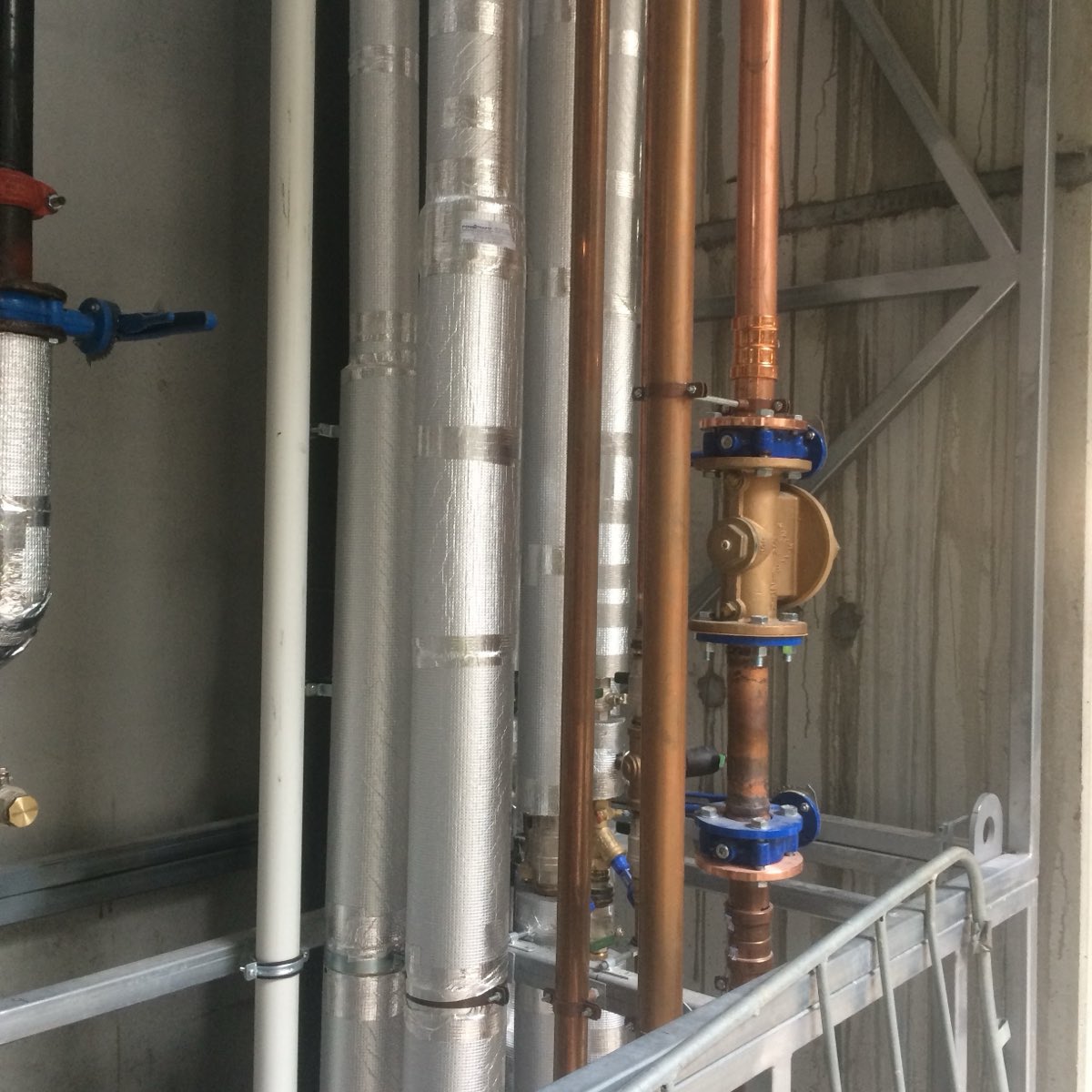
Quality. Same trade, same phone, same kind of job. You can read the fittings, the brackets and the joins. Nothing about it is fancy.
Quality isn't fancy. It's lit properly, framed properly, in focus, and clear of clutter. None of that costs money. All of it takes about ten minutes. And it's the whole difference between a photo that wins the job and one that loses it.
A photographer is still the better option — not because they shoot glossy, but because a good one reads your market and pitches the photo to it. That judgement is what you're paying for. This is what to do until you book one.
Light does most of the work
Everything else here is a detail. Light is the job.
Outdoors, shoot early morning or late afternoon. Midday sun sits straight overhead and wrecks work photos — hard black shadows, glare off anything pale, no detail where the detail matters. Through an Australian summer that covers most of the middle of the day.
Overcast beats sunny. Cloud spreads the light and kills the hard shadows — the best free lighting you'll ever get. The exception is any shot where the sky is part of the picture, like a pool or a roofline. Those want a clear one.
Indoors, it flips. Aim for the middle of the day. That's when the most light is coming through the windows.
Never shoot facing a window. The camera reads the window instead of the work and you get a dark shape where the job should be. Put it behind you or beside you.
Tap the screen on the work before you shoot. That sets the phone's brightness off the job instead of off the brightest thing in frame. One tap, and it fixes most dark photos.
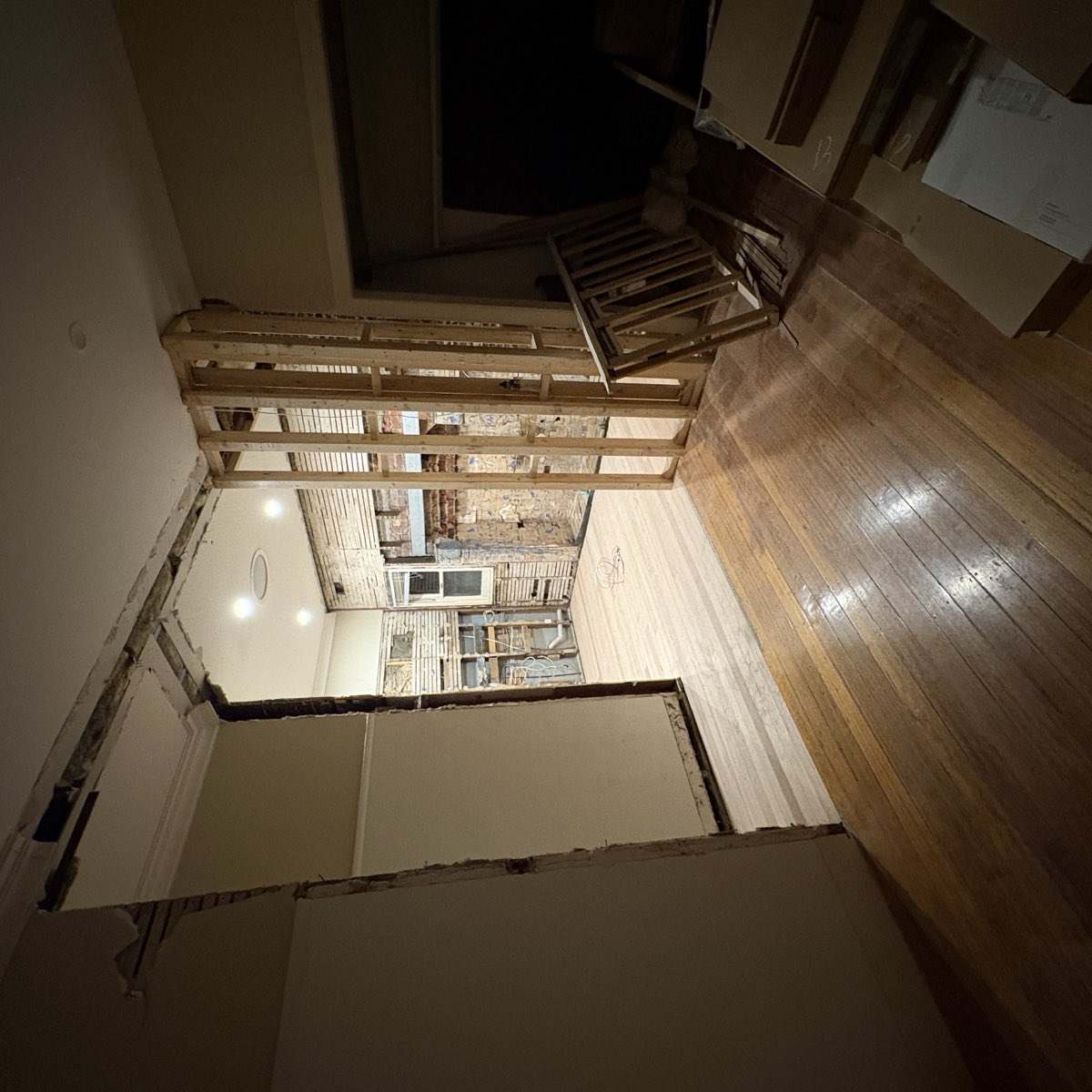
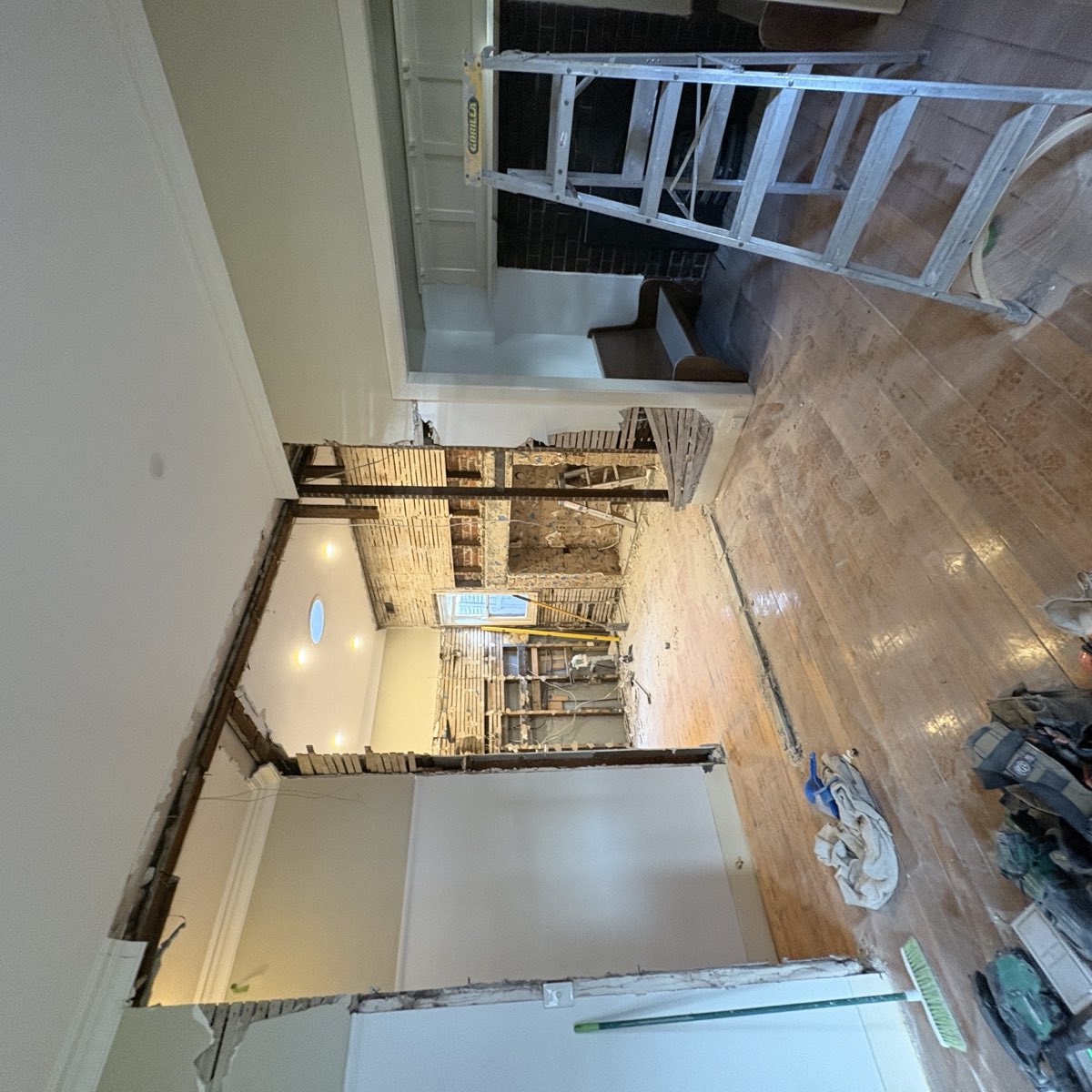
Same room, same phone, same job. The only thing that changed is the light. And yes — the ladder, the rags and the tool bags in the second one are exactly what the next section is about. One thing at a time.
Clear the frame before you lift the phone
Two minutes. Leads, bags, offcuts, cones, your coffee cup. Sweep if there's dust.
It's the cheapest thing here and it changes the photo more than anything except light. A tidy frame reads as finished work. A cluttered one reads as a job someone walked away from.
Ten frames, three distances
Take ten photos, not two. You'll bin most of them, and the one you keep beats the one you'd have settled for.
Shoot the same thing from three distances. Close on the detail you're proud of. Halfway back so it sits in context. Right back so someone can see the whole job.
Walk closer instead of zooming. Digital zoom just crops and softens. Change your height too: crouch, or get above it. Most work photos are shot from standing height by someone who didn't move, and they all look the same.
If size is the point, put something known in the frame. A tape, a power point, a person.
Before and after, from the same spot
Stand in the same place for the after as you did for the before. Same distance, same angle, same height.
Almost nobody does it, and it's why most before-and-afters don't land — the frames don't line up, so the eye can't compare them. Take the before even when you don't think you'll need it. You can't go back for it.
The photo of you, and what changes on socials
Find shade beside a building. Direct sun is the thing to avoid, and shade gives you even light on your face for nothing. Rear camera, not the selfie one — it's the better lens. Phone at eye level, a metre back, shoulders up. Keep the background plain; most people will see this the size of a stamp.
Socials run at a different setting to your website. The website is the shopfront, so it gets the considered version. Socials also reward what a website won't use — process shots, half-finished work, your face, a clip of something going in. Rough works there. Rough is often better there.
Your good photos still belong in the feed though, professional ones included. They break up a run of phone snaps and stop the whole account looking scrappy.
The rules above still hold, because a dark photo is a dark photo on any channel. The polish dial just sits lower.
Then pick one look and stick to it
A set of photos that look like they came from the same trade on the same day builds more trust than ten good photos that don't match.
And book a photographer. A shoot starts around $500, and the first job it wins pays for it.
Frequently asked questions
Do I need a professional photographer for my trade website?
Yes, and sooner than most trades think. A shoot runs $500 to $2,000, and $500 buys everything a trade website needs — one job won off those photos covers it. What you're paying for is judgement: a good photographer pitches the work to your market instead of defaulting to glossy, and photos that look like a magazine shoot signal magazine-shoot prices. BackPocket customers can book a photography package through us. Until then, a phone in good light gets you most of the way.
What time of day should I take photos of outdoor work in Australia?
Early morning or late afternoon, on an overcast day. Cloud spreads the light and kills the hard shadows, so overcast beats sunny for almost everything — the exception is any shot where the sky is part of the picture, like a pool or a roofline, which wants a clear one. Avoid the middle of the day: the sun sits close to overhead, throwing hard shadows and blowing out render, Colorbond and fresh concrete. Indoors it reverses — shoot around midday, when the most light comes through the windows.
Why do my job photos always come out dark?
The camera is metering off the brightest thing in frame instead of off the work. Shoot toward a window or an open roller door and the phone exposes for that bright patch, dropping the job into shadow. Two fixes: move so the bright opening is behind you or beside you, then tap the screen directly on the work before you shoot. One tap fixes most dark photos.
Should my social media photos look the same as the ones on my website?
Not identical, but they overlap more than people assume. Your website is the shopfront — tidy frame, good light, finished work. Socials also reward what a website won't use: process shots, half-finished work, your face, a clip of something going in. Your good photos still belong in the feed though, professional ones included, because they break up a run of phone snaps and stop the account looking scrappy. The fundamentals don't move. Only the polish does.
About the author

Ryan Griffin
Founder, BackPocket
Ryan spent 6 years working in construction, and prior to that 10 years in local small businesses in Bendigo, Victoria. Now, as a co-founder of BackPocket, he works with Australian trades on local SEO, solving operational headaches and building websites that generate qualified enquiries.
More about the author